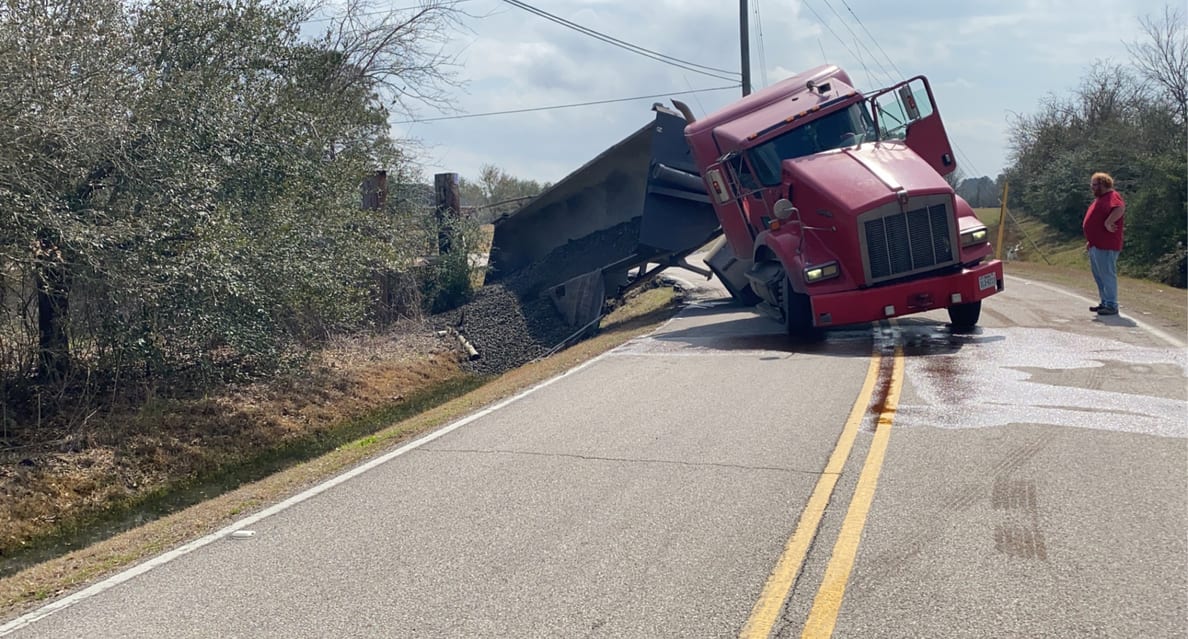
You manage a property — an apartment complex, shopping center, or HOA — and a car has been sitting in the lot for days, maybe weeks. The owner is unknown or unreachable. Tenants are complaining. You want it gone.
But here's the catch: if you tow it wrong, you're the one who gets sued. Texas courts are full of wrongful-tow complaints that cost property owners thousands because a tow was done without proper signage, notice, or a licensed operator.
On This Page
Quick answer
- Check your signage. Every vehicle entrance needs a conspicuous sign per the Texas Towing and Booting Act (Occupations Code §2308.301) — the towing symbol, the statement that unauthorized vehicles will be towed at the owner's or operator's expense, the days and hours towing is enforced, and a 24-hour number to call to locate a towed vehicle.
- Document the vehicle in place. Photos, date, location — before anything else.
- Call a TDLR-licensed, permitted tow operator. Not every tow company qualifies for non-consent tows from private property.
- Authorize the tow in writing. Most operators have a standard authorization form; keep a copy.
- Verify the operator keeps full documentation — photos, tow ticket, signage verification — in case the vehicle owner disputes.
What Texas law says about private property towing
Texas private-property (non-consent) towing is governed by the Texas Towing and Booting Act — Occupations Code Chapter 2308, enforced by TDLR. The core rules:
- Signage required — each vehicle entrance must have a conspicuous sign meeting §2308.301's size, height, and content rules: the international towing symbol, the "towed at owner's or operator's expense" statement, the days and hours towing is enforced, and a 24-hour phone number to locate a towed vehicle.
- Licensed operator required — the tow must be performed by a TDLR-licensed tow company with a current permit.
- Authorization required — the property owner or authorized agent must explicitly request each tow in writing (a standing agreement with the tow company is fine, but the individual tow still needs authorization).
- Immediate opportunity to recover — the Texas code requires that the tow ticket list the storage facility's address and operating hours, so the vehicle owner can retrieve it without unreasonable delay.
"Abandoned vehicle" has a narrower legal meaning in Texas — that's the separate abandoned-vehicle process under Transportation Code Chapter 683, which covers vehicles left on a public roadway or left 48+ hours on private property without the owner's consent. On private property, you don't need the vehicle to qualify as legally "abandoned" to have it towed — under Chapter 2308 you just need it to be unauthorized and your signage + process to be correct.
Step 1 — Signage check
Before anything else, walk every entrance. Under Texas Occupations Code §2308.301, each sign must:
- Face and be conspicuously visible at each vehicle entrance to the property
- Show the international towing symbol
- State, in the required wording: "Unauthorized Vehicles Will Be Towed at Owner's or Operator's Expense"
- State the days and hours towing is enforced
- Give a 24-hour phone number a vehicle owner can call to locate a towed vehicle
- Be at least 18 inches wide × 24 inches tall, mounted with the bottom edge 5–8 feet above the ground
If signage is missing, wrong, or out of date, a tow from your property is not legal. Fix signage first, tow second.
Step 2 — Document the vehicle in place
Before the tow truck arrives:
- Photos of the vehicle from multiple angles
- Date and time noted
- Description: make, model, color, license plate, any visible damage
- Location: parking space number, GPS pin, or lot reference
- Proof the vehicle is unauthorized (not on the resident list, no permit displayed, parked in a space not assigned to them)
This documentation is your defense if the vehicle owner later claims you towed illegally.
Step 3 — Call a TDLR-licensed operator
Only a licensed, permitted tow operator can legally perform a non-consent tow in Texas. Before you set up an agreement, verify:
- TDLR license — searchable at tdlr.texas.gov
- Insurance — general liability plus on-hook and garage keepers
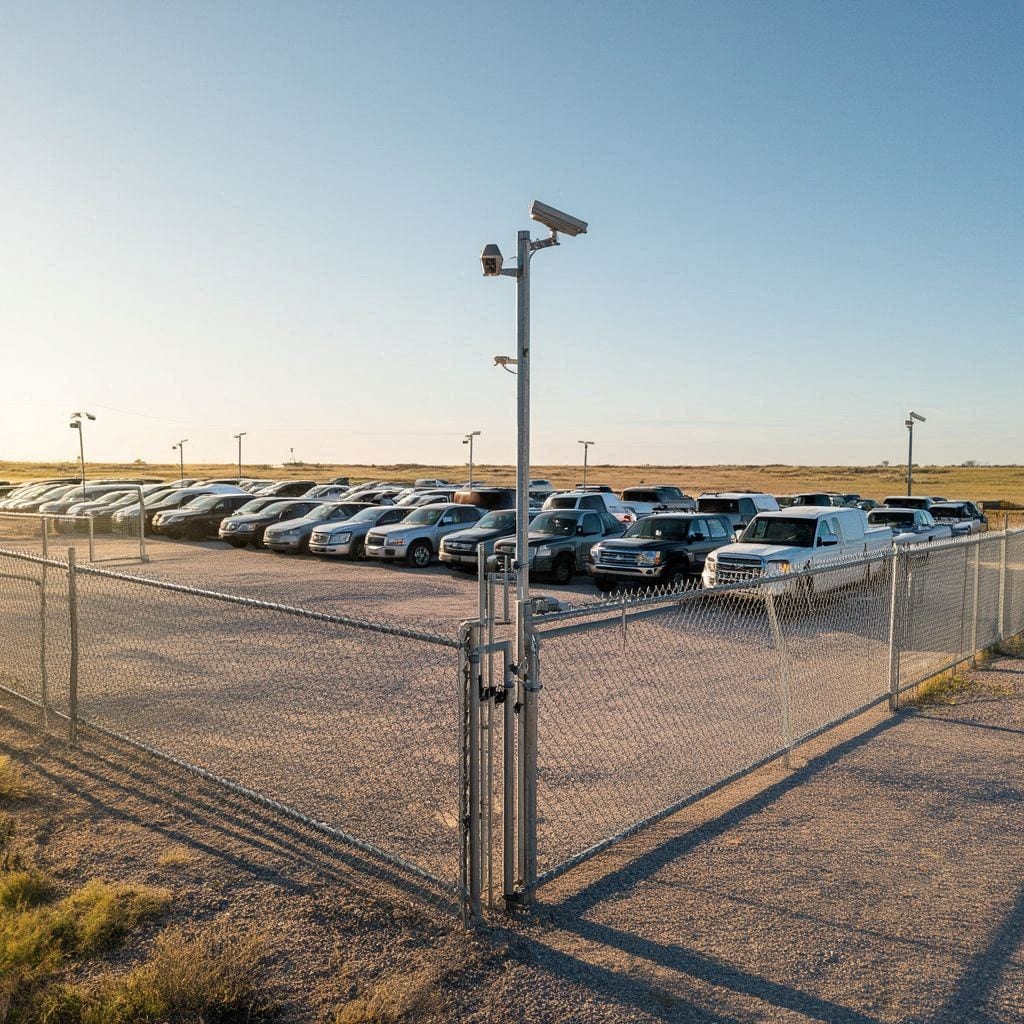
- Storage facility — a licensed Vehicle Storage Facility (VSF), not just a parking lot
Smith Towing & Recovery is TDLR-licensed. See our private property towing service page for details on setting up a property agreement.
Step 4 — Authorize the tow
Most tow operators have a standing property agreement (covers all future tows under the same conditions) plus a per-tow authorization ticket. Both forms matter if there's a dispute.
Keep signed copies on file for at least four years to cover both property-damage and contract claims — check the limitations period for your specific situation with an attorney.
Step 5 — Verify full documentation after the tow
A reputable operator will send or hold for you:
- Tow ticket with date, time, and origin and destination addresses
- Photo of the vehicle before tow
- Photo of posted signage at the property
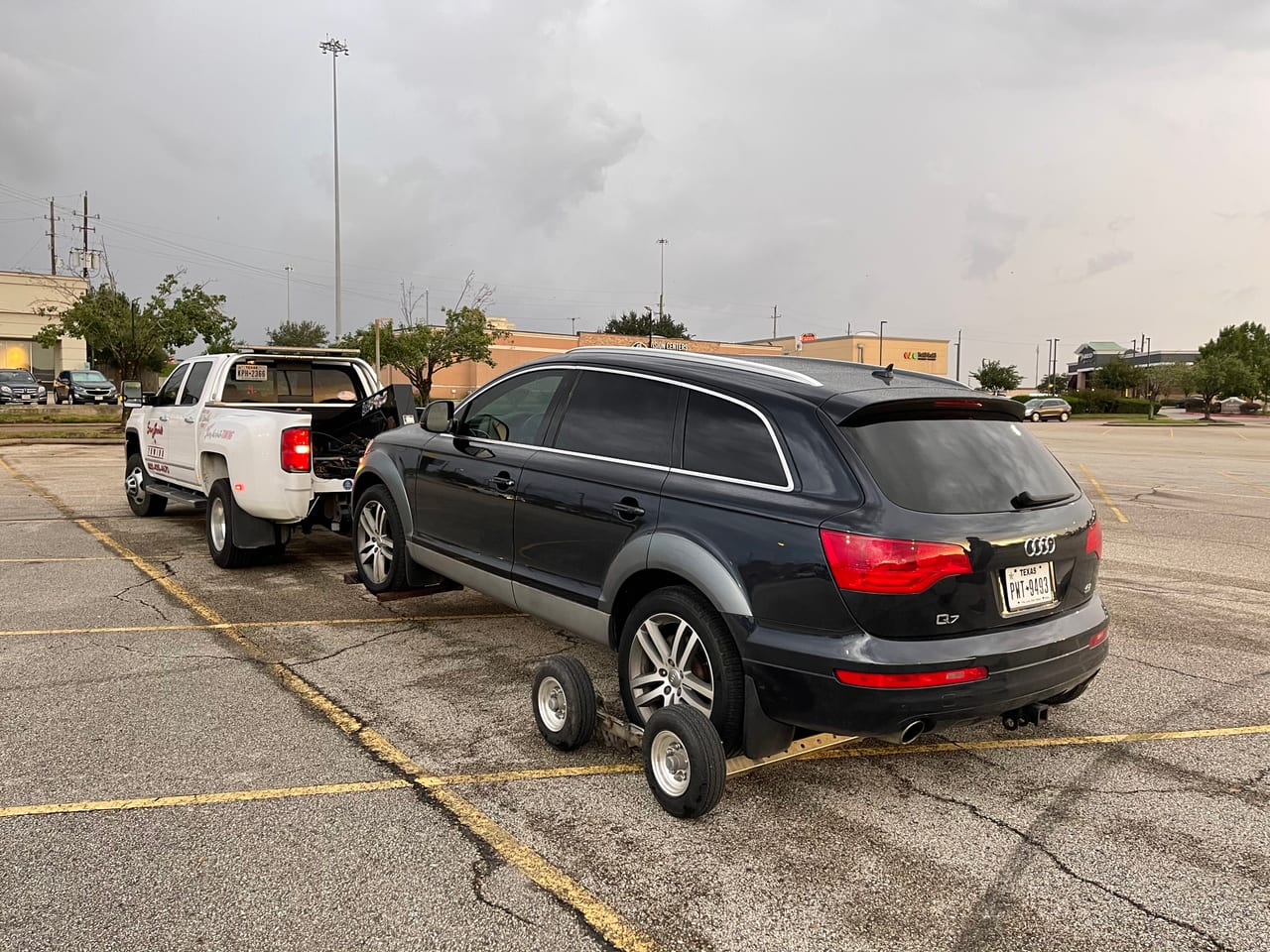
- Photo of the vehicle on the flatbed or hook
- Storage facility receipt showing the vehicle arrived
If an operator won't provide this, find another operator. These records are what stand between you and a lawsuit.
Common mistakes that cost property owners
"I'll have it towed right now — it's been there long enough." Skipping signage or authorization makes you personally liable. "Long enough" isn't a legal standard on private property.
"Any tow company can handle this." Unlicensed operators expose you to TDLR fines and wrongful-tow judgments. Verify before you sign.
"Tenants can request a tow." Usually no — only the property owner or an authorized agent (management company, HOA board, designated representative) can authorize a non-consent tow.
"If it has expired plates, it's fair game." Expired plates don't override the signage and authorization requirements. It's still a non-consent tow with the same legal procedure.
"Verbal authorization is enough." In a dispute, it isn't. Every tow needs a paper trail. Get it in writing, every time.
Who we work with
Smith Towing & Recovery handles private property removals across Crosby, Baytown, Kingwood, Humble, Atascocita, Deer Park, Highlands, Huffman, Mont Belvieu, and greater Houston. Property types we regularly service:
- Apartment complexes — resident/visitor parking enforcement, fire lane tows, recurring violator management
- HOAs and subdivisions — community rule enforcement, common area and amenity lot clearing
- Retail and shopping centers — customer-only parking, loading dock access, after-hours overnight removal
- Office complexes — assigned spot enforcement, visitor management, abandoned employee vehicles
- Industrial facilities — yard clearing, refinery and plant gate access, long-term unauthorized storage
Each property type has different signage standards, notice rules, and documentation needs. We set up a compliant agreement for each property before any tow happens, so you're covered from day one.
Setting up a property agreement
If you manage property in our service area and want tow enforcement set up correctly:
- Call (832) 360-7122 — we'll schedule a walkthrough
- We verify signage, photograph current state, and note any upgrades needed
- You sign a standing property agreement (no cost to you — vehicle owners pay the tow fee)
- We issue you a dedicated dispatch line for tow requests
- Every tow gets full documentation forwarded to you
Most agreements go live within a week. No monthly fee, no contract term — just a compliant setup ready when you need it.
See also: private property towing, vehicle storage, repossession services.
FREQUENTLY ASKED QUESTIONS
RELATED GUIDES
NEED HELP RIGHT NOW?
Our dispatcher picks up personally. No voicemail, no queue.